Almost all the world's coffee is arabica or robusta. A third species, Coffea liberica, makes up less than 1.5% of commercial production. It had its chance in the late 1800s and lost. Now researchers and roasters are looking at it again, mostly at one of its forms, excelsa. A Big Tree With Big Beans Liberica is native to western and central Africa, from Liberia to Uganda and … [Read more...] about Liberica and Excelsa: Why the Coffee Species That Failed a Century Ago Is Back
Coffee Varieties
Arabica vs Robusta: Why Italian Espresso Blends Still Use the Cheaper, Stronger Bean
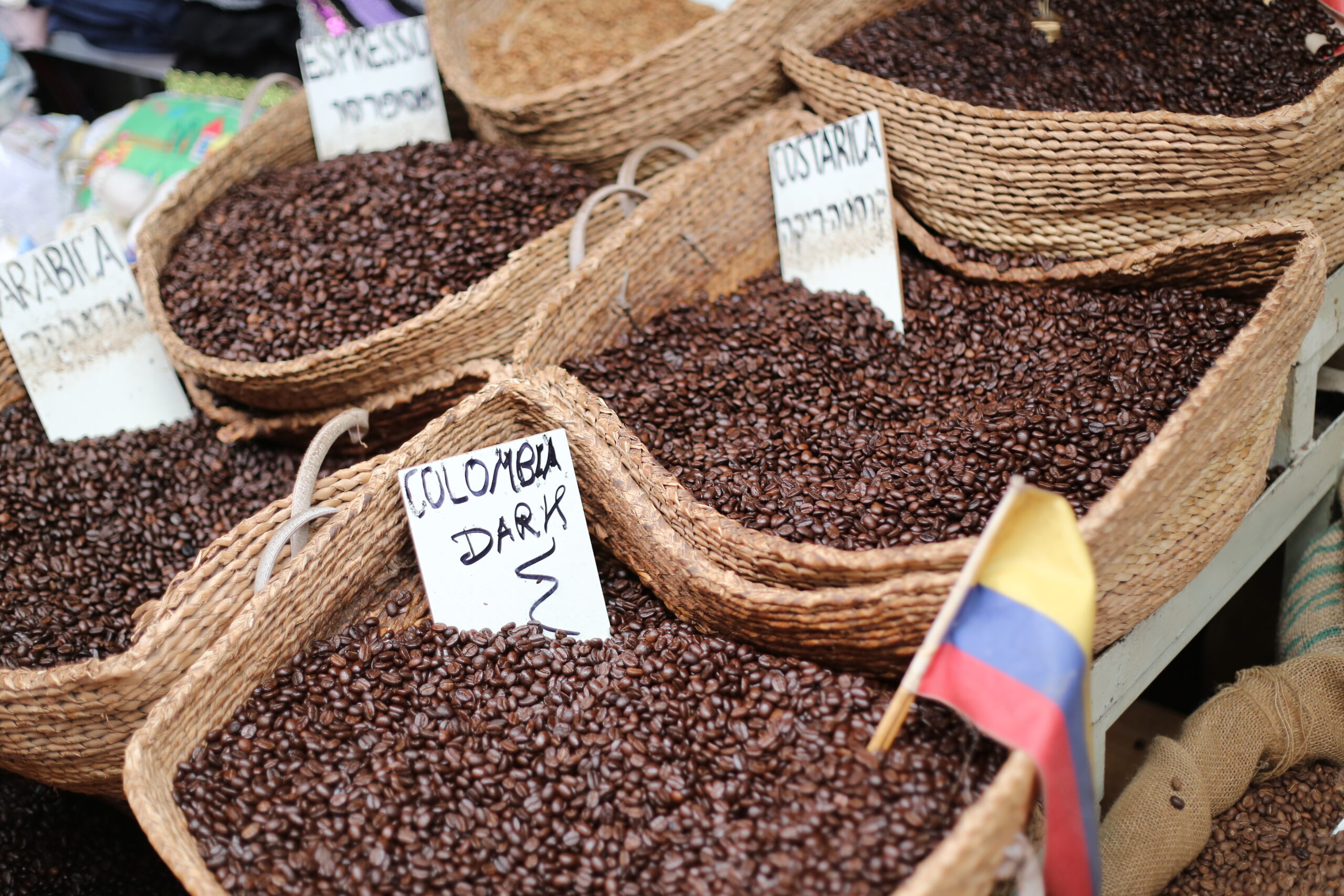
Nearly all the coffee in the world comes from two species: Coffea arabica and Coffea canephora, better known as robusta. Specialty coffee has spent decades teaching people that arabica is the good one. The truth is messier, and Italian espresso bars have known it all along. Two Very Different Plants Arabica is a natural cross between robusta and another species, … [Read more...] about Arabica vs Robusta: Why Italian Espresso Blends Still Use the Cheaper, Stronger Bean
Geisha Coffee: From an Ethiopian Forest to a $30,204-a-Kilo Auction Record
In August 2025, 20 kilos of green coffee from a farm in Panama sold for $604,080. That's $30,204 a kilo, about $13,700 a pound, and a world record for coffee at auction. The coffee was a Geisha, a variety that was a curiosity until 2004. From Gesha to Panama The variety takes its name from the Gori Gesha forest in southwestern Ethiopia, the same region where arabica grows wild, … [Read more...] about Geisha Coffee: From an Ethiopian Forest to a $30,204-a-Kilo Auction Record
Bourbon and Typica: The Two Arabica Lines Behind Most Latin American Coffee
Arabica coffee comes from the forests of southwestern Ethiopia, but most of the arabica planted across Latin America traces back to two old lines, Typica and Bourbon. Both reached the Americas from Yemen, by way of European colonies, and many of the varieties on Latin American farms today descend from them. Typica: Yemen, Java, Amsterdam, the Caribbean Typica's route reads like … [Read more...] about Bourbon and Typica: The Two Arabica Lines Behind Most Latin American Coffee
Washed, Natural or Honey Coffee: How Processing Sets Acidity and Body Before the Roaster Starts
A coffee bean is the seed of a cherry. Before it can be roasted, the fruit has to come off and the seed has to dry, down to about 11% moisture. How a farm does that is called processing, and it changes the cup as much as the variety or the roast does. It's why two coffees from the same farm can taste like different drinks. Washed In the washed process, the skin and most of the … [Read more...] about Washed, Natural or Honey Coffee: How Processing Sets Acidity and Body Before the Roaster Starts
Kenya’s SL28 and SL34: How Two 1930s Selections Still Define Kenyan Coffee
Kenyan coffee has a reputation for bright, juicy acidity, and a big part of that comes from two varieties picked out in the 1930s at Scott Agricultural Laboratories, a research station in Kenya. SL28 and SL34 (the SL stands for Scott Labs) are still widely grown in Kenya nearly a century later. SL28: The Drought Survivor In 1931 A. D. Trench, a senior coffee officer, toured … [Read more...] about Kenya’s SL28 and SL34: How Two 1930s Selections Still Define Kenyan Coffee